
By Samantha M
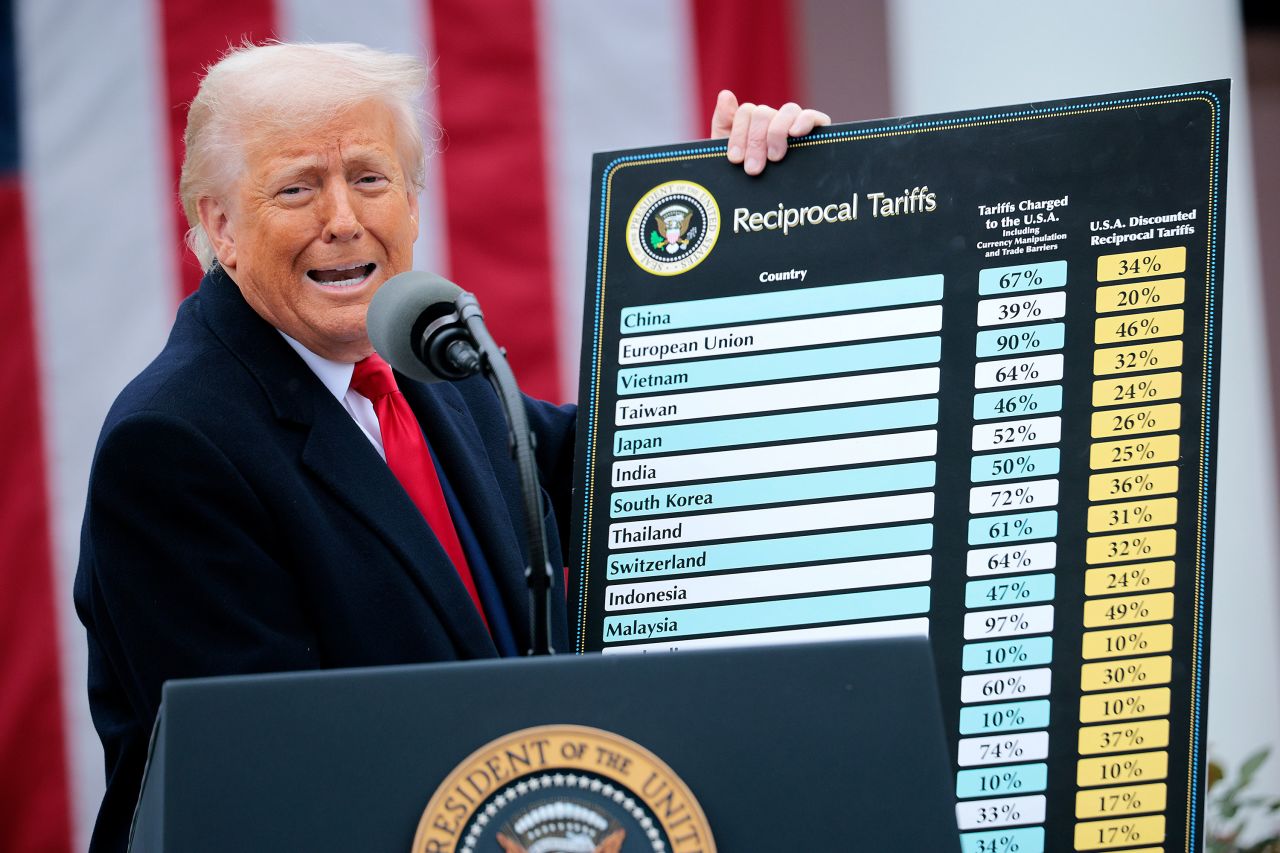
Today, August 1st, 2025, marks the beginning of a new global trade policy from President Trump, on behalf of the United States. Countries all over the world have been scrambling to negotiate trade agreements with Trump in order to lower their tariffs before August 1st. The U.S.’s closest allies, including Japan, South Korea, and European countries, will now have to face a 15% tariff. The new tariffs will officially start on August 7th.
The U.S. has a history of both free trade and protectionist policies, and under Trump, a new era has begun where every country around the world will face tariffs ranging from 10% to as high as 50%.
Around 40 countries will have 15% tariffs, while others face higher amounts ranging from 15% to 50%. This will drastically change how countries trade with the U.S., and their own economies will sustain damage. Incoming commercial shipments to the U.S. that are worth less than $800 will be covered by a customs duty exemption.
Countries around the globe have been preparing for the impact of Trump’s new tariffs, including many important U.S. allies. South Africa faces a staggering 30% tariff, which could cost the country 100,000 jobs, especially in the automotive sector and in agriculture, according to the South African Reserve Bank. In Asia, countries like Cambodia, Vietnam, Indonesia, Malaysia, and Thailand were able to secure a lowered tariff from 20% to 15%. Japan, one of the U.S.’s biggest allies and trading partners, was able to negotiate with Trump to lower their tariffs to 15% in exchange for $550 billion worth of investments in U.S. strategic sectors such as semiconductors, shipbuilding, and critical minerals. These are just some examples of how countries are trying to save their economies and exports through negotiation with Trump before the tariffs are firmly established.
Time will tell what the effects will look like domestically, but in most cases, higher tariffs lead to higher prices. Many citizens around the world have already voiced their concerns and disappointments about the tariffs’ impact on their countries’ economies. Not all countries trade agreements have bene established, so agreements are still subject to change.