
Before the colonial-era in Rwanda, the three ethnic groups the Tutsi, Hutu, and Twa. At this time, there was social fluidity between the three ethnic groups. Tutsis were the minority of the population and a part of the aristocracy and also cattle herding. The Hutus were the majority population and were mainly agriculturists. Although there were some tensions between the Tutsi and Hutu, the growing resentment between the two groups was perpetuated by the Belgium Colonial rule.
In 1916 post WWI, Belgian colonizers began to make changes in how they ruled Rwanda. They began to instill favorable policies towards the Tutsis. The colonizers claimed that the Tutsis were more european-like as an excuse for their favoritism. This led to Tutsis being appointed to administrative roles. In addition, Tutsis also were granted access to an education. The Belgian colonizers used this exchange of favoritism towards Tutsis in exchange for support and help with their colonial ruling agenda. The Tutsi elites were given the authority to force labour onto Hutus on behalf of the Belgian colonizers. Hutu children were not given access to education unlike their Tutsi counterparts. The implementation of this imbalance of power created gaps in the socio-economic divide among the population. This fueled resentment from the Hutu people. The Belgian colonizers implemented identity cards for all Rwandans which would identify which ethnicity they were which created more ethnicity divisions.
In 1959, the Hutu revolution began. Their goal was to gain independence from the Belgian Colonial rule and Tutsi elites. In 1962, the Hutu majority became the government for Rwanda.
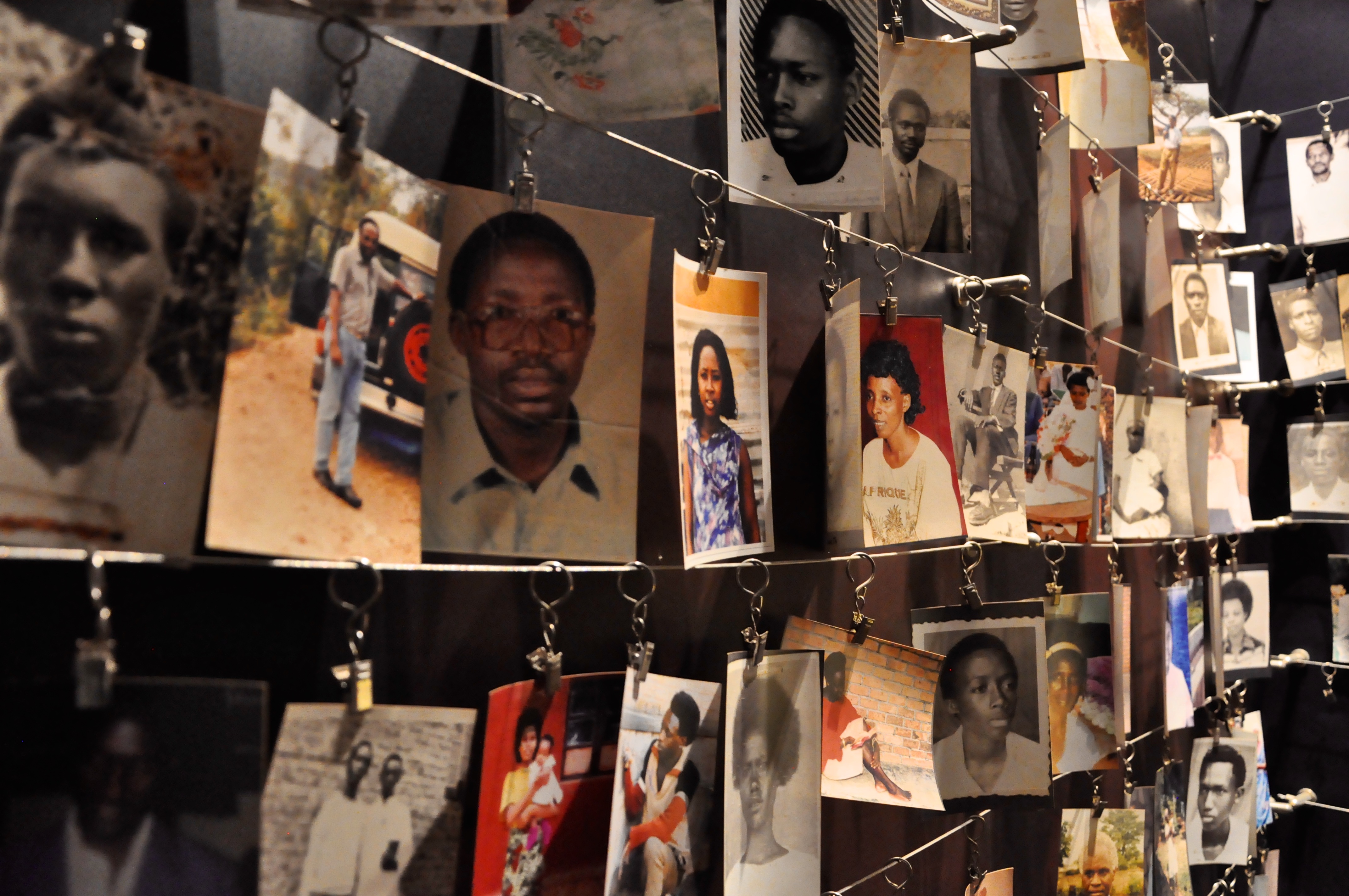
In 1994, the Assassination of President Habyarimana furthered distrust between the Tutsi and Hutu ethnic groups. The Hutu government blamed the Rwandan Patriotic Front (RPF) for the assasination of the President. The political propaganda and radio stations that spread misinformation sparked the 100 day Rwandan genocide where thousands of Tutsis including family members, friends, and neighbors to Hutus, were killed and their execution was encouraged by the Hutu majority.
There are still some ethnic tensions to this day, but Rwanda has come along with reparations. Identity cards are no longer part of Rwanda which helps lessen the ethnic divide among the population. Rwanda also has a majority of women now holding government positions which is more than most countries today. There has been serious efforts implemented for every Rwandan to have equal rights and social mobility. Rwanda is still a fragile state, but they have come a long way in terms of ethnic division and reparations.
Sources
Image: Thibault Hatton
https://www.britannica.com/place/Rwanda/Genocide-and-aftermath
https://www.un.org/en/preventgenocide/rwanda/historical-background.shtml