
By Samantha McClellan
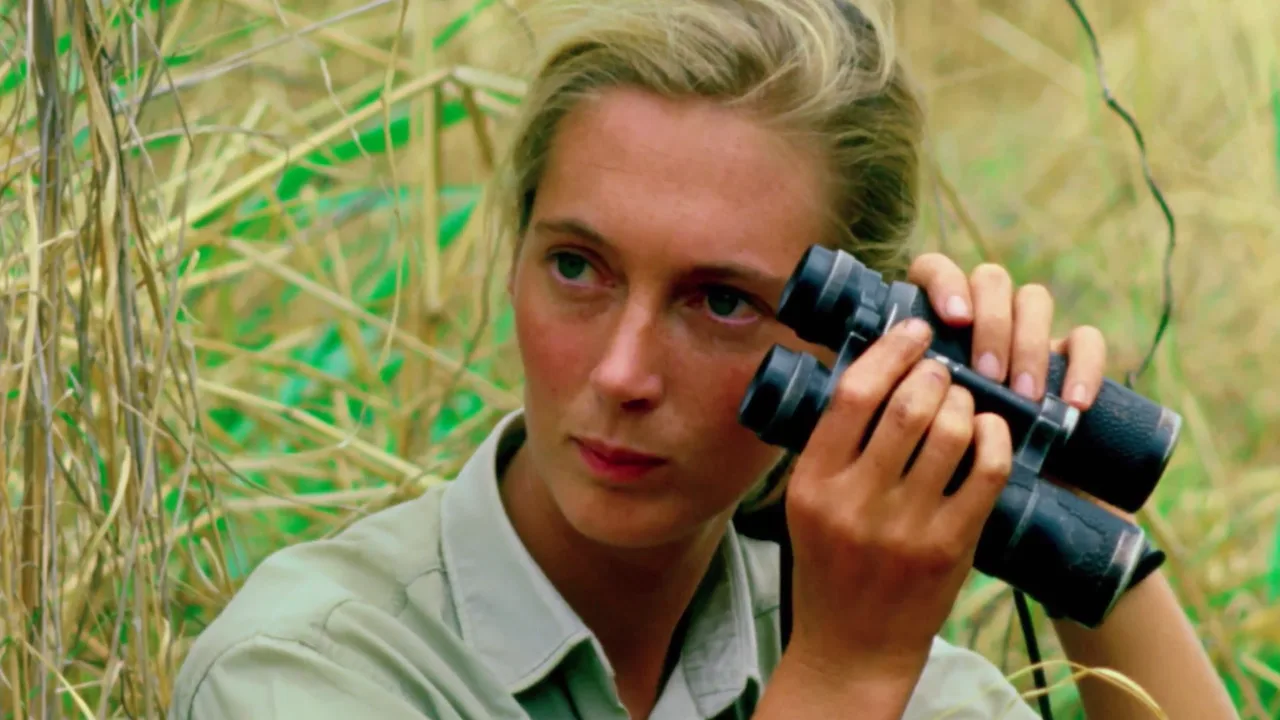
On October 1st, 2025, Jane Goodall passed away at the age of 91. Goodall was a renowned primatologist, ethologist, anthropologist, conservationist, and activist for both animals and the environment. She was also the founder of the Jane Goodall Institute and a United Nations Messenger of Peace.
Goodall made groundbreaking discoveries about chimpanzees during her 60 years of study in Tanzania’s Gombe Stream National Park. Her discoveries highlighted the profound connection between chimpanzees and humans by documenting their complex social and emotional behaviors. This work led to a greater understanding of how closely linked humans are to animals and nature itself. For example, she found that chimpanzees create and use tools to better reach their food, a behavior that was previously unknown to humans.
In terms of activism, Jane successfully urged the National Institutes of Health to end the use of chimpanzees in medical research. Additionally, she was instrumental in having Conoco Oil build the Tchimpounga Chimpanzee Rehabilitation Center in the Republic of the Congo, which opened as a sanctuary for orphaned chimpanzees in 1992.
Goodall’s mission centered on supporting local communities to enact meaningful change at the grassroots level. This can be seen through the organization Roots & Shoots, which Jane founded in 1991 to encourage young people and communities to take action. Goodall recognized that education, especially for young children, is crucial for protecting the future and helping the next generation understand the importance of safeguarding nature.
She also consistently advocated for protecting the environment from the harm of fossil fuels. She once stated, “We’re polluting the air, the water and the land. We’re recklessly pumping out CO2 into the atmosphere and, at the same time, we’re destroying our forests and oceans – the two great lungs of the world.” Her lasting hope was for the next generation to continue the efforts in protecting the environment and animals, starting at the local level to enact global change.