
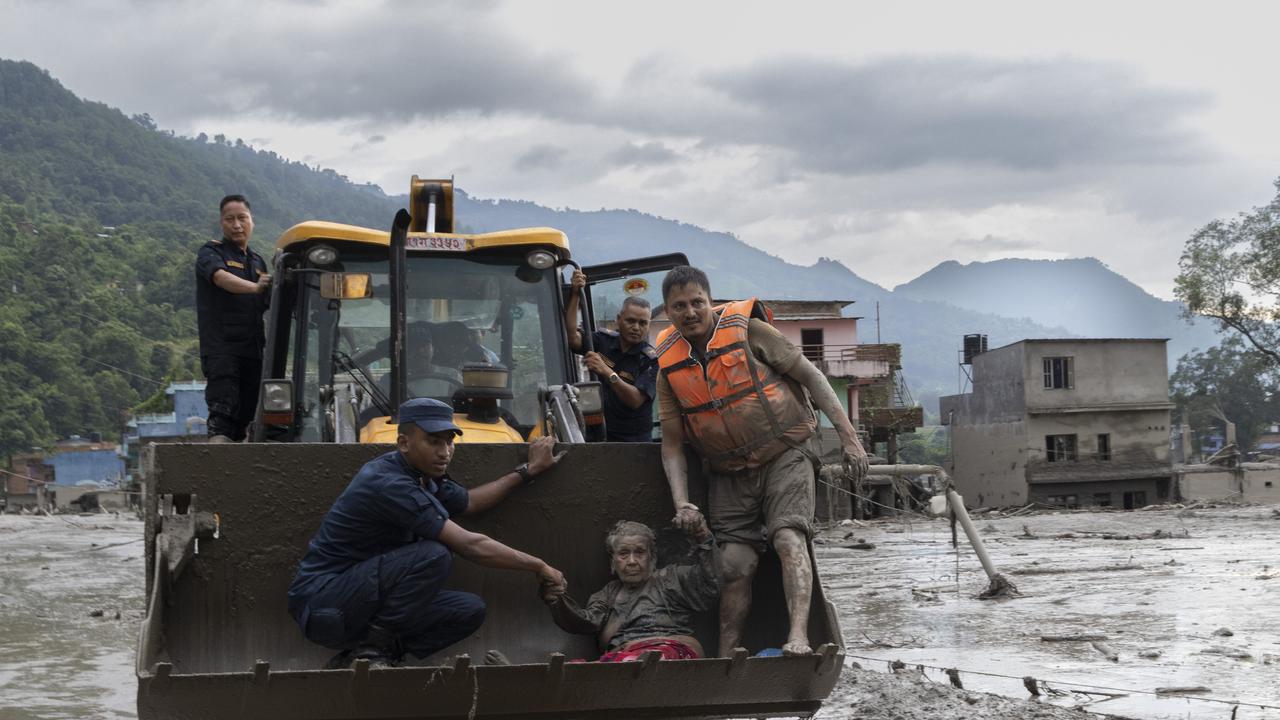
On August 26, 2026, a glacier collapsed in the Lāṅṭāṇ National Park region of Nepal. The glacier collapse created a rapid avalanche made up of water, mud, rock, and ice which quickly dispersed into the Lhende Khola, Bhotekoshi and Trishuli rivers. The avalanche of thick mud quickly made its way down the rivers into nearby villages and towns completely wiping out infrastructure, buildings and homes and also thousands of people.
As of September 7th, 2026, so far the Nepal government has reported 1,300 officially dead and roughly 5,000 still missing.
The devastation has led to many people becoming more vulnerable. The avalanche affected the Rasuwa, Nuwakot, Dhading, Gorkha and Tanahun Districts of Nepal. The avalanche completely wiped out roads and infrastructure which has made it difficult to quickly deliver aid to the affected areas. In addition, thousands of people have lost their homes, leaving them without shelter and basic human needs such as clean drinking water and food. Children within the area have also had their lives disrupted leaving many having to pause going to school since many buildings have been destroyed and due to the devastation, many schools not being able to go back into full operation. Adults and children in this region have been affected by the emotional and psychological effects of losing loved ones, losing their homes and livelihoods overnight due to this avalanche, and needing humanitarian assistance to cover basic necessities and needs.
In the affected areas of this avalanche, there are hundreds of workers scattered throughout various regions of Nepal who work in hydropower projects. It is estimated that 900 workers are still missing from 12 hydropower projects with an estimated 121 still trapped in tunnels. On the 9th day after the disaster two Nepalese workers were rescued from the tunnels. The workers claimed that there are still others trapped in the tunnels which are filled with mud from the avalanche.
The glacier collapse could be due to the escalating environmental disasters that can occur due to climate change. The Nepali Prime Minister Baldendra Shah stated, “This event signals the escalating risks we face in the Himalayan region due to climate change”, “the time has come for Nepal to forcefully raise the issue of climate-induced disasters with the international community”. The exact reason for the glacier collapse is still under investigation but most signs lead to the belief that it is climate change related.
Sources
https://www.unicef.org.au/nepal-floods-explainer
https://www.npr.org/2026/09/07/nx-s1-5960357/nepal-floods-questions-over-chinas-reporting
https://www.bbc.com/news/live/cwrk34rzx3z2t
https://www.npr.org/2026/09/04/g-s1-141943/workers-rescued-nepal-tunnel
Leave a Reply