Category: Africa

  • How Africans Are Being Trafficked Into Russia’s War in Ukraine

    How Africans Are Being Trafficked Into Russia’s War in Ukraine

    A growing crisis has emerged in Africa targeting young adults who are trafficked into the Russian frontlines of the Ukraine war. According to the African Center, thousands of Africans from 45 different African countries have been deceived into being forced to become soldiers for Russia. This has created devastating injuries, deaths, and pain for the families whose relatives now have to face risking their lives in a dangerous war they did not sign up for. 

    Recruitment agency networks create fake jobs to lure young African men to apply for a job when in reality it is a way to human traffic these individuals to serve in their war. The job opportunities pose as having high salaries and or the ability to obtain Russian citizenship. Many of the jobs advertised , according to the African Center,  are civilian jobs, sports opportunities,  or educational opportunities. These young men apply to these opportunities offered in Russia because they want to improve their financial situations often for themselves and their families especially if their country of origin has high levels of inequality or unemployment. 

    When the young men arrive in Russia, these individuals are  forced to sign a contract which is advertised as a contract  for the job they applied for but is actually a contract signing them up to participate in the war. The contacts are often times written in Cyrillic and their passports are then withheld . Most are unable to get out of the war until their contract ends.  The African Center reports that the young men are then pushed to the most dangerous parts of the Russian military frontlines where they are poorly trained and mistreated. 

    A devastating account of one of many parents from South Africa whose 20 year old son has become a victim shared what his son said. His son’s plea from Ukraine: “I want to come back home…. Please, Daddy, talk to someone.” A testimony from a survivor of this scheme said, “Once you enter the camp, your chances of survival are practically zero, ” says Duncan Chege, a Kenyan who defected from the army in January 2026, three months after arriving in Russia.

    According to The United Nations (UN), human trafficking is “the recruitment, transportation, transfer, harbouring, or receipt of persons by force, fraud, or subterfuge for the purpose of exploiting them for financial gain .” It is clear that the scheme recruiters are using in Moscow to lure young vulnerable Africans is a form of human trafficking and needs to end now. Many parents who now have to face having their child fight in a dangerous war against their will have urged the leaders of their countries to hold Russia and the recruiters accountable and have also had protests in efforts to get their children back home safely. 

    Sources

    Image: AFP/Simon Maina

    https://doxa.team/articles/warslavery

    https://africacenter.org/spotlight/russia-deceptive-war-recruitment-ensnares-africans
  • How Gold Is Fueling Sudan’s Civil War

    How Gold Is Fueling Sudan’s Civil War

    As 2025 comes to an end, Sudan is still amidst one of the worst civil wars of our time. The civil war is between two armed groups the the Sudanese Armed Forces (SAF) and the paramilitary Rapid Support Forces (RSF). Since April 2023, 14 million people in Sudan have been displaced from their homes leading to displaced persons and refugees. According to the UN 375,000 people are facing catastrophic levels of hunger. In addition, the UN estimates 12.1 million women and girls face the risk of gender based violence due to the war. It is estimated that there have been 400,000 casualties but an exact number is not available due to the underreporting and ongoing civil war. To read more about the origin and basis of the civil war please click here.

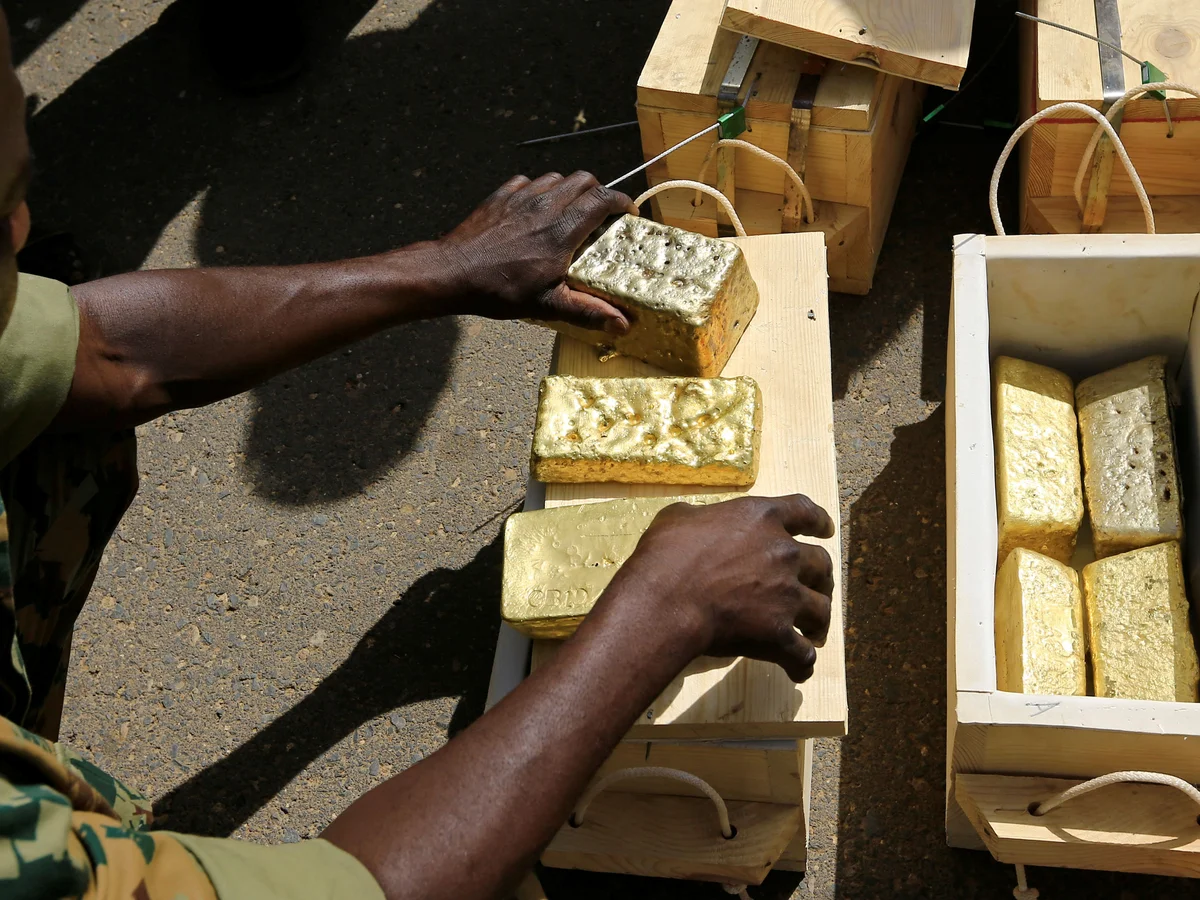
    Less widely known is how Sudan’s vast gold wealth is sustaining the civil war by providing funding to both the SAF and the RSF. The RSF controls gold mines in Darfur which is the capital city they captured control over during the civil war. The RSF extracts gold from these mines and trades the gold to the UAE. The UAE has been complicit in the war by partnering up with RSF in exchange for this commodity in order to diversify their own economy. The RSF have used extreme violence, including genocide, against non-Arab ethnic minority groups in Sudan. In return for smuggling gold to the UAE, RSF forces receive money that they use to buy weapons and fuel their ongoing agenda in the war. 

    The SAF has gold mines in the north of Sudan including the Red Sea, Northern, and River Nile areas. The SAF sends its gold to Egypt. Egypt is actively working with them because they are trying to boost their economy. The gold that is sent to Egypt is then ultimately sold again to the UAE. In exchange, the SAF, just like the RSF, receives money to fund weapons they use in this ongoing civil war.

    Gold as a commodity used to prolong this civil war is ultimately hurting Sudanese civilians. The civil war continues to destroy Sudan with little to no end in sight. It has caused one of the biggest humanitarian disasters in the world and has been underreported compared to other crises happening globally. Although gold is used as a way to fuel the war, when the civil war comes to an end, Sudan can actually use their commodity rich gold to rebuild their country. Gold mining and manufacturing can provide thousands of jobs and help rebuild their economy. Countries should help address this conflict by sanctioning Egypt and UAE who are fueling this war. If countries like the US, France, UK, China would sanction these countries who are complicit in fueling the war this could lead to one more step closer in ending this civil war. 

    Sources

    Photo: Mohamed Nureldin Abdallah/Reuters

    https://news.un.org/en/story/2025/04/1162096

    https://www.genocidewatch.com/single-post/sudan-s-booming-wartime-gold-trade-flows-through-the-uae

  • DRC and Rwanda Sign U.S.-Brokered Washington Peace Accord on June 27, 2025

    DRC and Rwanda Sign U.S.-Brokered Washington Peace Accord on June 27, 2025

    On June 27th, 2025 a peace agreement between foreign ministers representing Democratic Republic of Congo DRC and Rwanda was signed and administered by United States (US) President Trump. The peace agreement is named the Washington accord. This comes as rising tensions between the two countries persist and a growing humanitarian issue grows as a result. (To read more about the DRC and Rwanda Conflict, read article Here). 

    The Washington Accord consists of several mandates, The first is for both states to end any support for militias or armed groups. Second, Rwanda has to withdraw its troops from the Eastern DRC region. In return for upholding the peace agreement, the US will begin investments in the Mineral reserves. The accord also reaffirms the continued mission of the United Nations mission in DRC. One of the highlighted goals is for the displaced persons from this conflict to return back home. Due to ongoing fighting, many people have fled their homes to other regions within the country or to neighboring countries. 

    If any parts of the agreement are not upheld, President Trump iterated that there would be consequences such as sanctions. This peace agreement is a major shift for DRC and Rwanda and the US. Peace needs to urgently be administered in order for the conflict to end. Kids and civilians who are innocent have faced lack of shelter, food, water,and safety. The international community’s top priority is to protect innocent civilians and to use diplomacy and foreign policy to reduce this conflict. 

    Sources

    Image: Manuel Balce Ceneta, Associated Press

    https://www.state.gov/peace-agreement-between-the-democratic-republic-of-the-congo-and-the-republic-of-rwanda

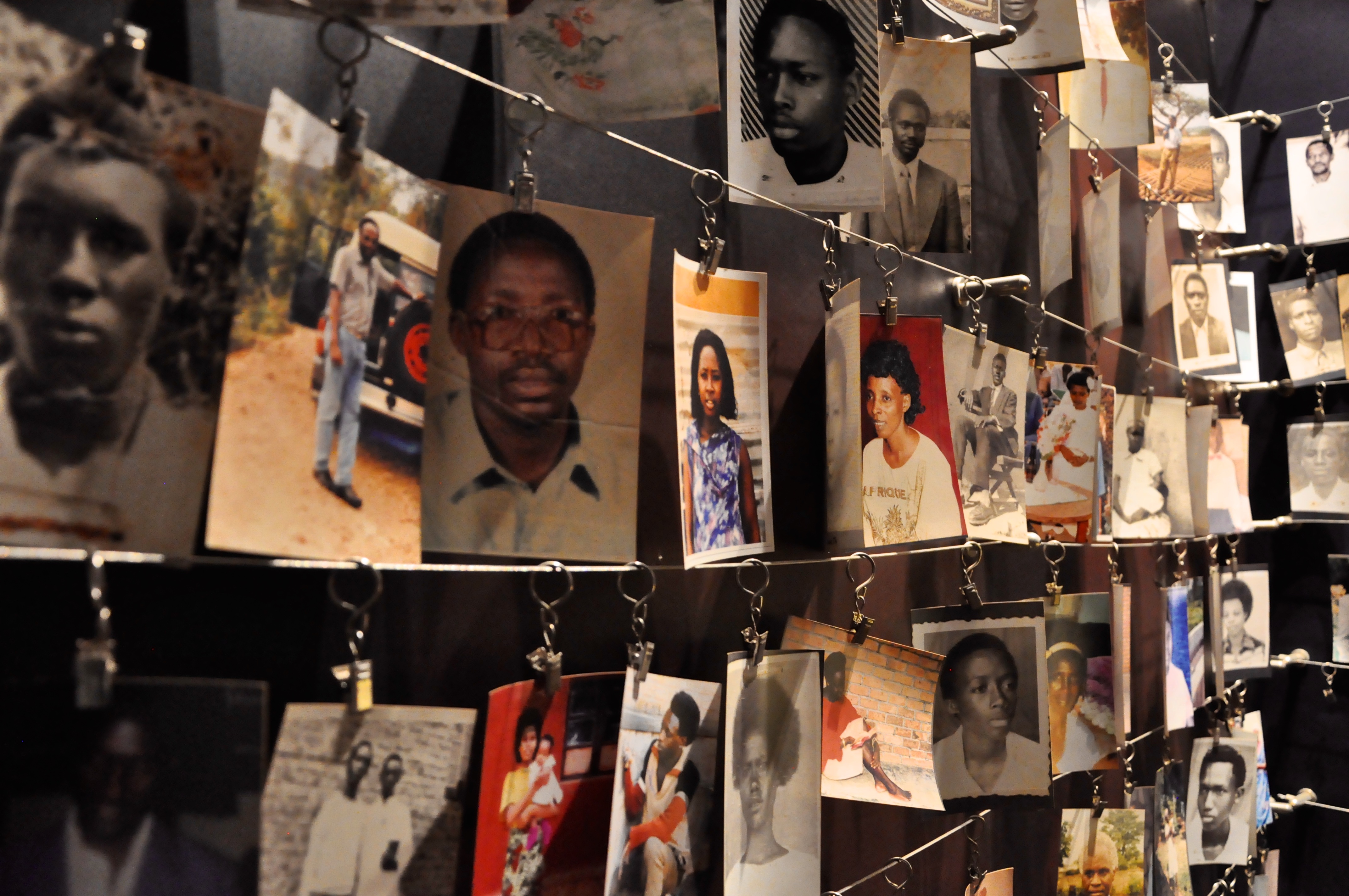
  • The Historical Roots of Hutu and Tutsi Conflict in Rwanda

    The Historical Roots of Hutu and Tutsi Conflict in Rwanda

    Before the colonial-era in Rwanda, the three ethnic groups the Tutsi, Hutu, and Twa. At this time, there was social fluidity between the three ethnic groups. Tutsis were the minority of the population and a part of the aristocracy and also cattle herding. The Hutus were the majority population and were mainly agriculturists. Although there were some tensions between the Tutsi and Hutu, the growing resentment between the two groups was perpetuated by the Belgium Colonial rule. 

    In 1916 post WWI, Belgian colonizers began to make changes in how they ruled Rwanda. They began to instill favorable policies towards the Tutsis. The colonizers claimed that the Tutsis were more european-like as an excuse for their favoritism. This led to Tutsis being appointed to administrative roles. In addition, Tutsis also were granted access to an education. The Belgian colonizers used this exchange of favoritism towards Tutsis in exchange for support and help with their colonial ruling agenda. The Tutsi elites were given the authority to force labour onto Hutus on behalf of the Belgian colonizers. Hutu children were not given access to education unlike their Tutsi counterparts. The implementation of this imbalance of power created gaps in the socio-economic divide among the population. This fueled resentment from the Hutu people. The Belgian colonizers implemented identity cards for all Rwandans which would identify which ethnicity they were which created more ethnicity divisions. 

    In 1959, the Hutu revolution began. Their goal was to gain independence from the Belgian Colonial rule and Tutsi elites. In 1962, the Hutu majority became the government for Rwanda. 

    In 1994, the Assassination of President Habyarimana furthered distrust between the Tutsi and Hutu ethnic groups. The Hutu government blamed the Rwandan Patriotic Front (RPF) for the assasination of the President. The political propaganda and radio stations that spread misinformation sparked the 100 day Rwandan genocide where thousands of Tutsis including family members, friends, and neighbors to Hutus, were killed and their execution was encouraged by the Hutu majority. 

    There are still some ethnic tensions to this day, but Rwanda has come along with reparations. Identity cards are no longer part of Rwanda which helps lessen the ethnic divide among the population. Rwanda also has a majority of women now holding government positions which is more than most countries today. There has been serious efforts implemented for every Rwandan to have equal rights and social mobility. Rwanda is still a fragile state, but they have come a long way in terms of ethnic division and reparations. 

    Sources

    Image: Thibault Hatton

    https://www.britannica.com/place/Rwanda/Genocide-and-aftermath

    https://www.un.org/en/preventgenocide/rwanda/historical-background.shtml

  • M23 Conflict in Eastern DRC Fuels Tensions With Rwanda and a Growing Humanitarian Crisis

    M23 Conflict in Eastern DRC Fuels Tensions With Rwanda and a Growing Humanitarian Crisis

    The history of conflict between the Democratic Republic of Congo (DRC) and Rwanda has been continuous since the 19th century. Tensions between both states have increased since the occupation of the armed group M23 in eastern DRC.

    M23 is an armed group that formed on March 23rd, 2009. It was established due to grievances over the peace deal of March 23rd, 2009, which was between the DRC and the militia National Congress for the Defense of the People (CNDP). CNDP believed that the DRC did not uphold its end of the peace deal agreement. Currently, M23’s mission statement has been to defend the interests of the Congolese Tutsi and Kinyarwanda-speaking minorities against the Hutu militias and perceived failures of the DRC government. They have also claimed to want to overthrow the DRC government.

    One of the reasons M23 has taken control of eastern DRC is due to the mineral-rich mines located there. When M23 took over, they began to smuggle tantalum, diamonds, and gold from eastern DRC to Rwanda. This has been proven by reports of these minerals being found and sold in Rwanda, despite Rwanda not having natural resources of any of these minerals. M23 has also taken over a region named Rubaya in the DRC in 2024, which is a mining region rich in coltan, a mineral used to build technological devices. It has been estimated that M23 has made around $800,000 a month from moving coltan out of the DRC and into Rwanda.

    Furthermore, it has been reported that Rwanda has given military supplies and its own army to aid M23. Although Rwanda has denied this claim, there have been several reports from international organizations and experts of the region that prove otherwise.

    M23 has also committed several human rights abuses. When they took over the eastern DRC region, they were accused of forcibly recruiting civilians, including children, to be a part of their armed group. In addition, they have looted civilian businesses and farms, and have committed sexual assault and violence on women.

    In 2024, the Office of the United Nations High Commissioner for Refugees reported that the escalating conflict in eastern DRC has led to the displacement of 7.2 million people and a humanitarian crisis. Another reason why this conflict is concerning for the future of civilians is that more animosity has been directed towards Tutsi civilians due to the M23 group. This is concerning because in 1994, the Rwandan genocide, an ethnic cleansing between Hutus and Tutsis, was one of the worst humanitarian disasters to date that killed many innocent civilians just because of their ethnicity.

    Rwanda has expressed frustrations over the relationship between Uganda and DRC. Both states have made agreements on trade and on protection from rebel groups. This has led to Rwanda feeling threatened and more vulnerable from FDLR Hutu militant groups.

    The growing tensions between the DRC and Rwanda will only increase if a peace deal cannot be made. Both states have had tensions for years now, and not one peace deal or agreement has been sustainable in maintaining peace between them. It is important for a realistic implementation of peace that can satisfy both states.

    Sources

    Photo: AFP/GETTY IMAGES

    https://www.reuters.com/investigations/inside-mine-that-feeds-tech-world-funds-congos-rebels-2025-08-13

    https://www.unhcr.org/emergencies/dr-congo-emergency

  • Sudan’s Civil War and Humanitarian Crisis

    Sudan’s Civil War and Humanitarian Crisis

    As of April 2023, Sudan erupted into its third civil war. The civil war is between the Sudanese Armed Forces (SAF) and the Rapid Support Forces (RSF). The current civil war erupted due to power struggles between the two rival parties. The civil war has now lasted two years and is one of the biggest humanitarian disasters in the world right now.

    The power struggles of the two groups heightened after the military coup of the government in October 2021 that was led by the leader of the SAF, General Abdel Fattah al-Burhan. The coup terminated the transitional civilian government that had been in place after the 2019 coup that overthrew Omar al-Bashir.

    The RSF has committed violence against civilians through ethnic cleansing and genocide in Darfur. In Darfur, the RSF have targeted civilians of non-Arab groups and the Masalit tribe. The RSF have committed killings, sexual violence, looting, torture, and destroyed infrastructure, impacting thousands of innocent Sudanese civilians.

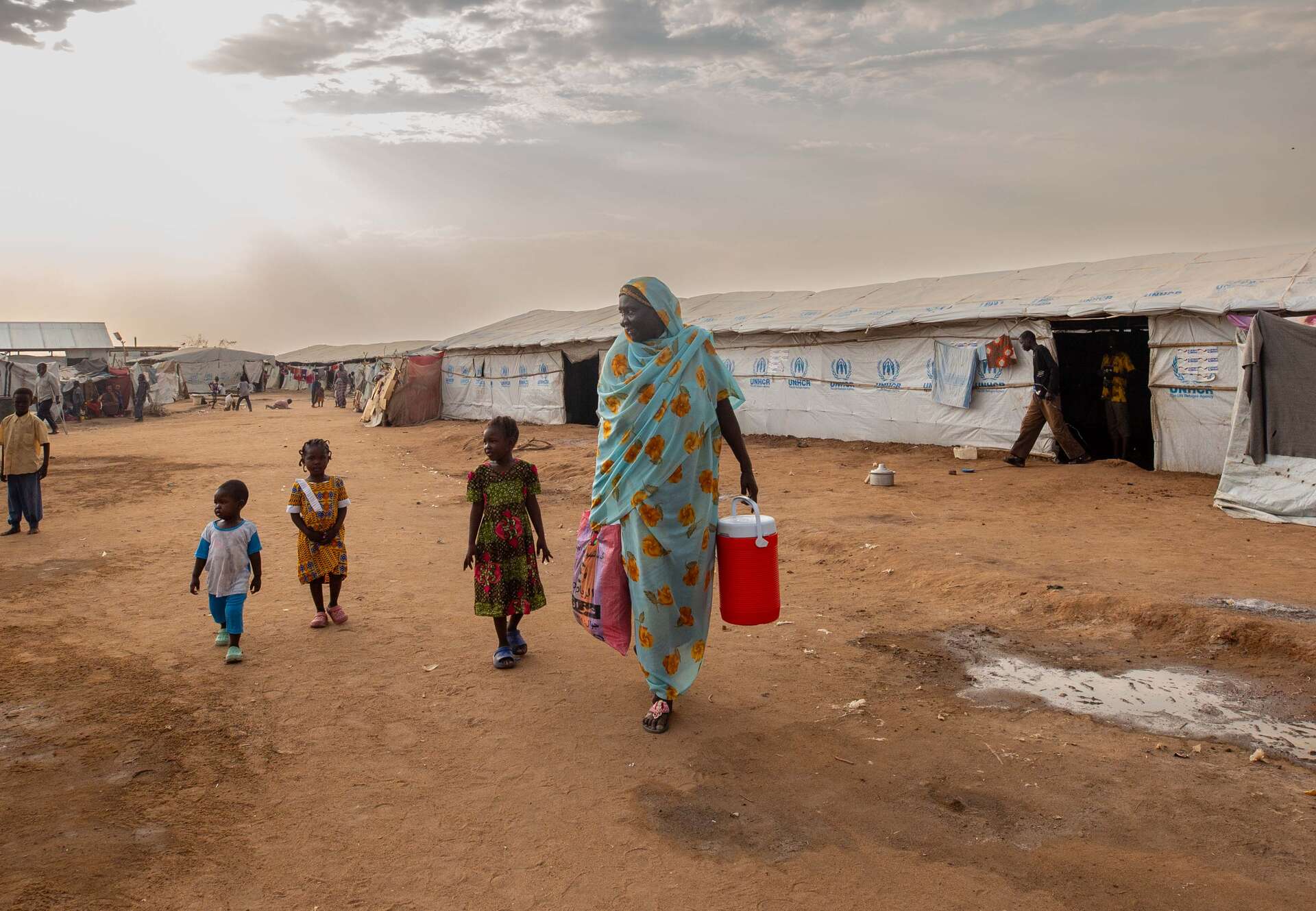
    12 million Sudanese people have been forced out of their homes. This has led to a refugee crisis. Sudan currently has 840,000 refugees and asylum seekers. Other neighboring countries have received thousands of Sudan refugees escaping the conflict. These countries include Chad, South Sudan, Egypt, Libya, Ethiopia, and the Central African Republic.

    Gender-based violence has affected thousands of women and girls. An exact number is not available at this time due to the ongoing conflict preventing reports and accurate accounts. Women and girls are more vulnerable to gender-based violence since the civil war began.

    Healthcare infrastructure has been destroyed since the beginning of the conflict. Healthcare officials have been targeted, and there is a limited amount of healthcare supplies and workers. This exacerbates the issue further since civilians who are wounded or experiencing illness do not have access to a healthcare facility. Due to lack of sanitation, close quarters in refugee camps, and lack of nutrition, illnesses and diseases have spread in Sudan such as cholera, dengue fever, malaria, measles, and poliomyelitis.

    When it comes to basic nutrition and access to food, 635,000 people, including those in the camp for displaced people, are experiencing famine according to the IRC. Humanitarian aid is desperately needed in order to help deliver food, vaccines, and healthcare for refugee civilians. Humanitarian aid has been difficult and dangerous to deliver due to the rival parties’ beliefs that NGO and aid workers are not neutral actors. At least 84 humanitarian workers, all Sudanese nationals, have been killed since the current conflict began in 2023.

    A ceasefire is urged in order to save the innocent civilians who are currently displaced and in danger in Sudan. Sudan has been forgotten when it comes to news coverage and international concern. The people of Sudan are facing a humanitarian disaster and crimes against humanity with no end in sight. Countries around the world need to be involved because this has led to Sudanese refugees having to be supported by neighboring countries who can barely support the influx of refugees. The protection of innocent lives should be the concern of all world countries, especially when it comes to protecting the next generation of the world who are children.

    Sources

    https://www.britannica.com/place/Sudan/Challenge-to-Bashirs-rule-and-the-2019-military-coup

    https://www.hrw.org/news/2024/05/09/sudan-ethnic-cleansing-west-darfur

    https://www.unhcr.org/us/where-we-work/countries/sudan?dataset=POP&yearsMode=range&selectedYears=%5B2012%2C2025%5D&level=OPR&category=PTY&fundingSource=ALS&compareBy=%5B%22category%22%5D&levelCompare=%5B%5B%22OSDN_ABC%22%5D%5D&viewType=chart&chartType=bar&contextualDataset=BUD&tableDataView=absolute

    https://www.unocha.org/news/un-deputy-relief-chief-demands-concrete-action-be-taken-ensure-safety-aid-workers