Category: Middle East

  • UAE Leaves OPEC After Nearly 60 Years

    UAE Leaves OPEC After Nearly 60 Years

    The United Arab Emirates (UAE) has announced their decision to leave OPEC beginning on May 1st, 2026. OPEC stands for Organization of Petroleum Exporting Countries. The UAE first joined OPEC in 1967. The goal of this organization is to create agreements on what rate member states who are oil producers will sell their oil for.  When supply is high  oil is sold for lower rates and when supply is low, oil is sold for higher rates. The goal is to stabilize the international market for oil. 

    A reason the UAE may have left is due to the constraints with quotas that OPEC sets for its members. UAE’s Energy Minister Suhail Al Mazrouei emphasized that leaving offers the flexibility to meet global demand, aiming for a capacity of 5 million barrels per day by 2027. The UAE is the third biggest oil producing country in OPEC and with the high demand for oil in the market they may have felt like OPEC was holding them back in terms of the revenue they could be making without the constraints of OPEC. 

    Due to the war in Iran, it is unlikely that the UAE will immediately start selling oil at a higher capacity since the strait of Hormuz has been closed for eight weeks. It would not be until after the war where we can see if the UAE starts to sell more oil. It is not likely that other member states will follow in pursuit, but the UAE leaving OPEC is still a big hit to the organization because it can raise restrictions on the production of oil. 

    Sources

    https://www.atlanticcouncil.org/content-series/fastthinking/why-is-the-uae-leaving-opec/

    https://www.reuters.com/business/energy/uaes-postopec-expansion-push-lift-oil-output-above-5-million-bpd-next-year-iea-2026-06-17

    https://economictimes.indiatimes.com/news/international/us/why-is-the-uae-opecs-third-largest-oil-producer-leaving-opec-will-iraq-or-kuwait-leave-next-and-what-it-means-for-oil-prices-and-the-cartels-future/articleshow/130582545.cms?from=mdr

  • Iran’s Nationwide Uprising and Deadly Government Crackdown

    Iran’s Nationwide Uprising and Deadly Government Crackdown

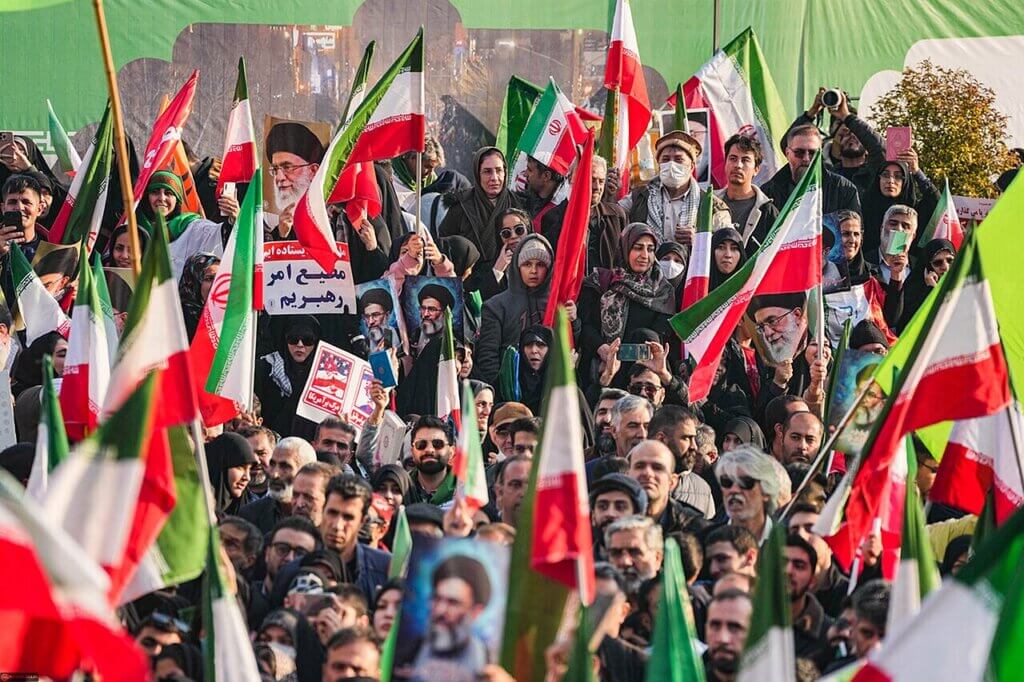
    On December 28, 2025, shopkeepers in Tehran’s Grand Bazaar went on strike, closed their stalls, and moved into the streets. The protests began amid a severe fall in Iran’s currency, high inflation, and worsening living conditions. Food prices had jumped 72 percent year-on-year, and daily power shortages had become a regular struggle. This sparked the largest uprising since the 1979 Islamic Revolution, spreading to over 100 cities in all 31 provinces of Iran. Students from universities in Tehran, Isfahan, Yazd, and other areas joined the marches, shouting “Death to Khamenei,” “Neither Gaza nor Lebanon, My Life for Iran,” and “Seyyed Ali will be toppled this year.” What began as economic discontent quickly grew into a movement calling for an end to the Islamic government itself.

    The nature of this uprising was different from the 2022 Woman, Life, Freedom movement. This time, young men had a more prominent role. Some chants expressed monarchist sentiments, aligning with exiled Crown Prince Reza Pahlavi’s increase in his political appeals to the international community. On January 8, Pahlavi called for unified protest, and by that evening, according to a European diplomat citing intelligence, 1.5 million people had taken to the streets of Tehran alone, with 5 million nationwide by January 9. At 8 p.m. that night, neighborhoods across Tehran burst into chanting, and then, almost at once, all communication to Iran was cut.

    Iranian authorities imposed what sources described as the largest internet shutdown in the country’s history, isolating it from the outside world and making independent verification of events nearly impossible. Amid this blackout, the killing began. Amnesty International documented security forces on the streets and rooftops of mosques and police stations, firing rifles and shotguns loaded with metal pellets at protesters, often targeting their heads and torsos. Hospitals in Tehran and Shiraz became overwhelmed with gunshot victims. “They were shooting at everyone, anyone they could get their hands on,” a 73-year-old protester told NBC News. “Women, children, men, the elderly, the young, it made no difference to them.”

    The death toll from January 8 and 9 remains one of the most disputed aspects of the crisis because the regime’s blackout was designed to keep the truth hidden. Iran’s government acknowledged 3,117 deaths, while the US-based Human Rights Activists News Agency published a list confirming 7,007 fatalities, with over 11,000 cases still under review. Two senior officials from the Iranian Health Ministry told journalists that the true toll from those two days could exceed 30,000. If accurate, this number would make those 48 hours the deadliest massacre of civilian protesters in recorded history. The Guardian reported that fewer than 10 percent of deaths may have been officially registered, with the state actively hiding casualties through mass graves and secret burials.

    The concealment was systematic. CNN gathered testimonies from more than a dozen families who said they were pressured to falsify the circumstances of their loved ones’ deaths. Families were told to register slain protesters as Basij members or describe them as martyrs killed by foreign agents or claim they had died from overdoses or accidents. In some cities, authorities buried bodies themselves in undisclosed locations when families refused to comply, informing them only afterward. At the Kahrizak forensics center south of Tehran, videos showed families searching among piles of body bags. One Amnesty International analyst counted at least 205 body bags at a single makeshift overflow morgue.

    The orders came from the top. The crackdown happened under the direct order of Supreme Leader Khamenei, who instructed the Supreme National Security Council to suppress the protests by any means necessary, with approval from all branches of government. Publicly, Khamenei accused protesters of acting on behalf of Trump, claiming they were destroying their streets to please Washington. The head of Iran’s judiciary vowed punishment would be “decisive and without leniency” and emphasized the need for speed on state television: “If we want to do a job, we should do it now. If it becomes late, two months, three months later, it doesn’t have the same effect.”

    By late January 2026, the regime had mostly regained control of the streets. Over 50,000 people had been arrested. A government-organized rally in Valiasr Square attracted a noticeably small crowd, a stark contrast to previous years. However, the divisions exposed by the uprising were not easily smoothed over. The Economist reported that the violence had broken internal consensus within the Islamic Republic, with former presidents, senior clerics, and ex-officials publicly distancing themselves from the crackdown. Al Jazeera documented an open clash between ex-leaders and hardliners in the weeks after the killings, with former President Hassan Rouhani reportedly telling associates that the regime had crossed a line it could not return from.

    With the streets quieted by force, the regime turned inward. Iranian security forces launched a campaign against the reformist movement, arresting Ebrahim Asgharzadeh, Mohsen Aminzadeh, and Azar Mansouri — senior members of the Reformists Front coalition — on February 8, followed by coalition spokesman Javad Emam on February 9. Their arrests were linked to a January reformist statement calling for Khamenei to resign and for a transitional governing council to take over. Nobel Peace Prize laureate Narges Mohammadi, already imprisoned, received an additional seven-year sentence. Doctors, lawyers, and journalists were also caught up alongside politicians. Protests continued to flare on university campuses, including at Sharif University of Technology, where students condemned Khamenei as a “murderous leader.”

    Outside Iran, the diaspora mobilized on an unprecedented scale. On February 14, solidarity protests took place around the world. In Munich, police counted around 250,000 demonstrators waving pre-revolutionary flags and chanting “Change, change, regime change.” The European Union and Ukraine designated the IRGC as a terrorist organization. Australia imposed sanctions on twenty Iranian individuals and three organizations. US President Trump announced a carrier strike group was heading to the region, warning Iran directly that mass executions would not end well for them.

    At the United Nations, concerns grew as executions seemed imminent. On February 27, UN Human Rights Chief Volker Türk called for an immediate moratorium on the death penalty in Iran, expressing horror that at least eight people — including two children — had received death sentences due to the protests, with another 30 at risk. A revolutionary court had already sentenced a man to death on charges of “enmity against God.” The UN’s Independent Fact-Finding Mission warned that tens of thousands of detainees faced torture, enforced disappearance, and expedited executions in violation of international due process. The Financial Times reported that Iran’s nuclear negotiators and Western counterparts were watching the protests with alarm, assessing how domestic unrest might affect stalled nuclear talks.

    Diplomatic efforts collapsed. After a failed third round of indirect negotiations in late February 2026 and with Trump’s self-imposed 10-day deadline for a deal expired, US and Israeli strikes against Iran began on February 28, targeting the country’s leadership, security apparatus, nuclear sites, and missile installations. Supreme Leader Khamenei was killed in the opening attack on Leadership House. UN human rights experts condemned the strikes as violations of the UN Charter, warning that military intervention must not be seen as a solution to the Iranian people’s grievances and that US and Israeli calls for Iranians to “seize control of their own government” were reckless and endangered countless civilian lives. Iran launched retaliatory attacks against Israel and American bases across the region, escalating a conflict now involving more than a dozen countries.

    The people who chanted in Tehran’s bazaars at the end of 2025 asked for electricity, for water, for a currency that could buy bread. Instead, they faced sniper fire, mass graves, and airstrikes. Whatever comes from the ruins of the Islamic Republic, those who survived will always remember the high cost of their demands.

    Sources

    Image: : REUTERS, Creator: Wa Lone

    https://www.pbs.org/newshour/world/thousands-demonstrate-for-change-in-iran-following-deadly-crackdown

    https://www.nbcnews.com/world/iran/iran-protests-crackdown-ayatollah-khamenei-supporters-tehran-rcna257541

    https://www.pbs.org/newshour/world/thousands-demonstrate-for-change-in-iran-following-deadly-crackdown

    https://www.cnn.com/2026/02/26/middleeast/iran-protesters-crackdown-pressure-intl

    https://www.reuters.com/business/media-telecom/un-rights-chief-warns-that-more-iranians-face-execution-after-protests-2026-02-27

    https://news.un.org/en/story/2026/03/1167077

    https://www.theguardian.com/global-development/2026/jan/27/iran-protests-death-toll-disappeared-bodies-mass-burials-30000-dead

    https://www.washingtonpost.com/world/2026/02/03/iran-protests-deaths-crackdown

    https://www.economist.com/middle-east-and-africa/2026/02/01/the-violence-in-iran-could-lead-to-civil-war

    https://www.aljazeera.com/news/2026/2/3/game-is-over-irans-ex-leaders-hardliners-clash-after-protest-killings

    https://www.npr.org/2026/02/09/nx-s1-5706524/crackdown-on-dissent-after-nationwide-protests-in-iran-widens-to-ensnare-reformist-figures

    https://www.nbcnews.com/world/iran/iran-arrests-protesters-reformists-crush-dissent-deadly-crackdown-rcna259294

    https://www.aljazeera.com/news/2026/2/14/iran-us-spar-as-diaspora-organises-rallies-abroad-calling-for-action

    https://www.reuters.com/business/media-telecom/un-rights-chief-warns-that-more-iranians-face-execution-after-protests-2026-02-27

    https://www.aljazeera.com/news/2026/2/14/iran-us-spar-as-diaspora-organises-rallies-abroad-calling-for-action

    https://www.bbc.com/news/articles/cd0y0ld39y0o

  • U.S. and Israel Launch Operation Epic Fury and Operation Roaring Lion Against Iran on February 28, 2026

    U.S. and Israel Launch Operation Epic Fury and Operation Roaring Lion Against Iran on February 28, 2026

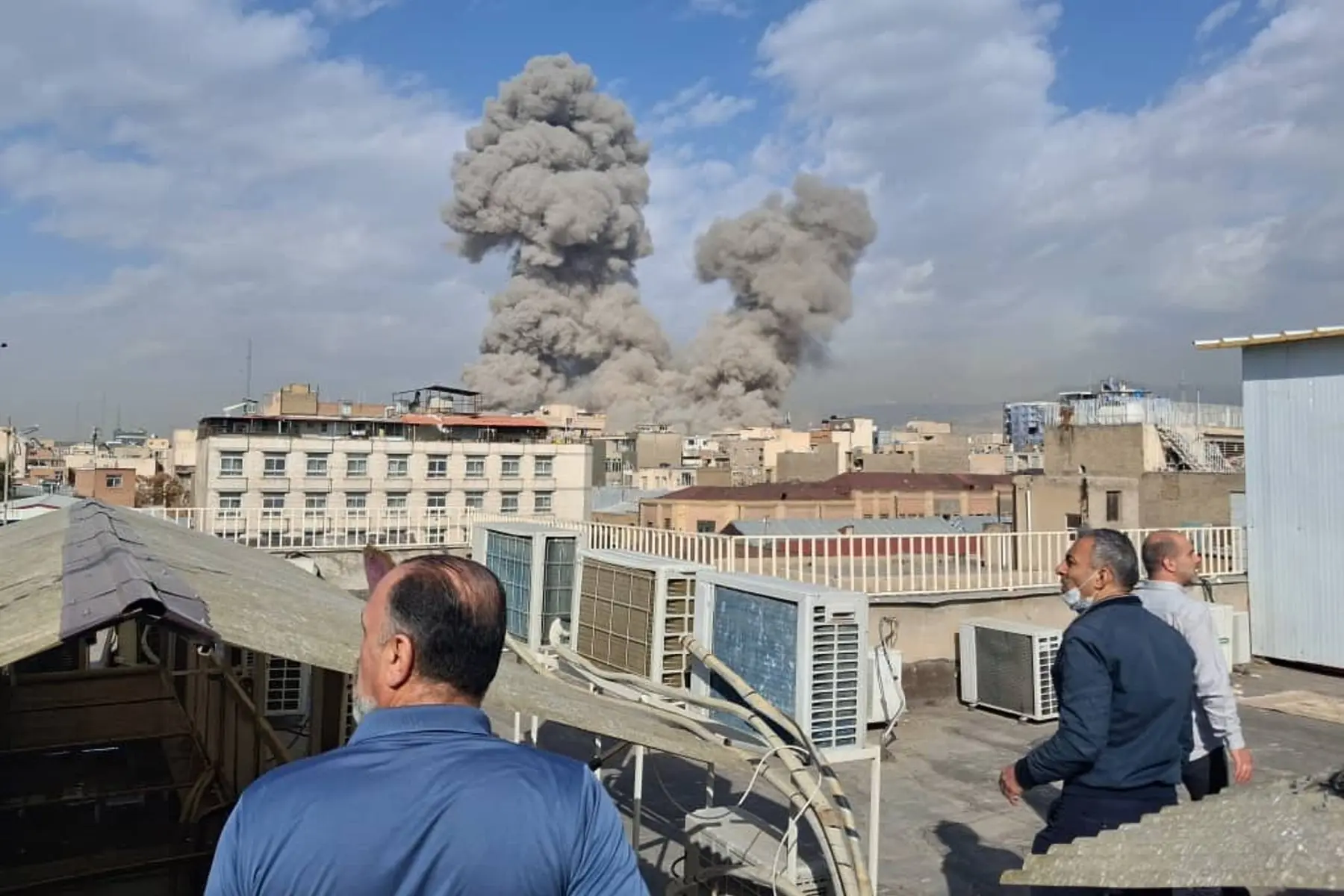
    Israel and the United States have led an attack on Iran on Saturday morning, February 28th, 2026. President Trump under the executive branch has launched a military operation of strikes in Iran. Congress is the only branch that can declare war and President Trump did not get permission from congress to launch this attack. President Trump has stated that Iran poses an “imminent threat” and that the goal of this attack is to eliminate Iran’s nuclear program. President Trump has also stated that when the U.S. is finished, the Iranian people should take over their government. 

    The first attacks launched by Israel and the U.S. were near the offices of Supreme leader of Iran Ayatollah Ali Khamenei. After the first strike, there have been reports of other Iranian cities such as Isfahan, Qom, Lorestan, Karaj, Kermanshah and Tabriz also being struck. Soon after, Iran launched several ballistic missiles to the U.S. military base in Qatar named al-Udeid Air Base and on the U.S. Navy base in Bahrain. In addition, Iran has launched retaliatory strikes on U.S. bases in the middle east including Ali Al Salem Air Base in Kuwait, Al Dhafra Air Base in the UAE , Erbil Air Base in Iraq, and Muwaffaq Salti Air Base in Jordan

    Due to expected retaliation strikes from Iran, school, work, and gatherings have been closed. Citizens in Tel Aviv are expected to take shelter when the alarms in the city make noise which signals if a strike has taken place in Israel. 

    The Iranian Foreign Minister Abbas Araghchi  has stated that the attacks from Israel and the U.S. violate the UN Charter and that Iran will use any means of their military and defense capabilities to defend themselves. The governor of Mindab country in Iran, Mohammad Radmehr, has confirmed that there are 63 casualties from a missile attack that struck an all girls school in the county. The Iranian Red Crescent has reported that there have been 201 people killed and another 747 injured across 24 provinces in Iran. 

    This conflict is ongoing and the number of casualties and strikes will change as the conflict continues. It is clear that Iranian citizens, Israeli citizens, and neighboring countries that contain US military bases are all at risk from the ongoing attacks. Israel, the U.S., and Iran continue to launch attacks and there is no confirmation on when the conflict will end. This has been the second attack the U.S. has launched on Iran soil since June 2025. To read more about the previous attack click here. 

    Sources

    Photo: AP

    https://www.whitehouse.gov/releases/2026/03/peace-through-strength-president-trump-launches-operation-epic-fury-to-crush-iranian-regime-end-nuclear-threat

    https://www.npr.org/2025/06/22/nx-s1-5441695/irans-top-diplomat-says-it-reserves-all-options-for-self-defense-following-u-s-strikes

  • Israel Strikes Houthi-Controlled Port of Hodeidah in Yemen

    Israel Strikes Houthi-Controlled Port of Hodeidah in Yemen

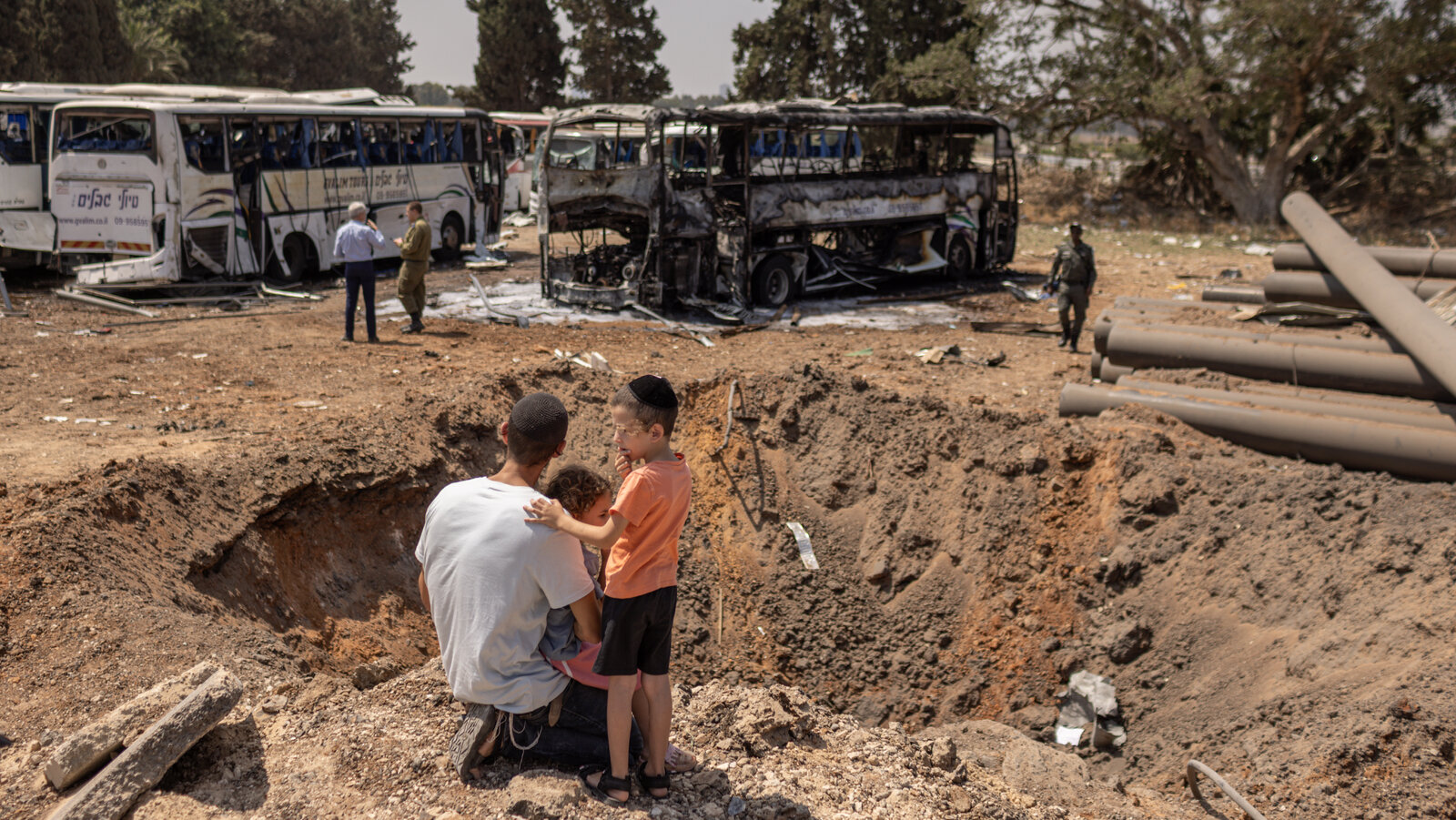
    On September 16, 2025, Israel launched a strike on Yemen’s Red Sea port in Hodeidah, resulting in the deaths of 35 Yemenis.

    This attack was prompted by several events. In May 2025, the Houthis claimed responsibility for a drone strike that hit Ramon Airport in Israel. Israel also reported that earlier this month, they intercepted a missile fired from Yemen. Israeli Prime Minister Netanyahu cited these incidents as the main justification for the September 16th strikes.

    In the previous month, Israel had also conducted airstrikes targeting Houthi military camps, infrastructure, and propaganda facilities. Israel alleges that the Houthis have been receiving weapons from Iran at the Red Sea Port.

    Another key event was the assassination of Houthi Prime Minister Ahmed al-Rahawi and half of his cabinet by Israel in an August 2025 airstrike in Sanaa, Yemen. This act has led the Houthis to seek retaliation against Israel.

    As tensions between Israel and the Houthis escalate, there is a growing possibility of increased violence and future attacks.

    Sources

    Image: AFP

    https://www.aljazeera.com/news/2025/9/16/israeli-military-attacks-yemens-red-sea-port-hodeidah-houthi-linked-tv

    https://apnews.com/article/yemen-houthis-israeli-strike-494d91b05e04a5dbaeda0205ef349a39

  • Israel Strikes Hamas Leaders in Doha, Qatar Amid Ceasefire Negotiations

    Israel Strikes Hamas Leaders in Doha, Qatar Amid Ceasefire Negotiations

    On September 9, 2025, Israel launched a strike on a diplomatic quarter in Doha, Qatar. At the time, Qatar, along with other Gulf and Islamic state leaders, was hosting a diplomatic meeting with Hamas to discuss a potential peace deal between Hamas and Israel. The strike, which targeted the very quarter where the meeting was held, resulted in the deaths of five Hamas members, though no high-ranking officials were among the casualties. Israel has since stated that the objective of the attack was to assassinate Hamas leaders.

    Qatar has played a critical role as a mediator and ally for Israel, Palestine, and the United States in efforts to end the conflict in Gaza. According to Qatari Prime Minister Al-Thani, the meeting with Hamas was not a secret and was, in fact, well known to both the United States and Israel.

    Shortly before the strike, the Chairman of the Joint Chiefs of Staff, General Dan Caine, was informed by Israel of their plan. He immediately notified White House Special Envoy Steve Witkoff to brief the administration. However, by the time the U.S. was able to warn Qatar, the attack had already been launched. In addition to the Hamas casualties, a 22-year-old member of Qatar’s Internal Security Forces was also killed. Israeli Prime Minister Netanyahu has taken full responsibility for the strike.

    This attack has raised serious concerns among Israeli families of hostages and government officials that it will jeopardize the return of hostages and further impede ongoing peace negotiations. The U.S. has proposed a plan requiring Hamas to release all hostages and Israel to withdraw all troops from the region. While Hamas has stated they would consider this proposal, they have not agreed. In turn, Hamas has put forward a counter-proposal that includes the return of all hostages in exchange for a lasting ceasefire, the withdrawal of all Israeli troops, and the release of Palestinian prisoners. Israel has not agreed to this plan.

    In a show of solidarity, Islamic and Gulf states have condemned Israel’s actions against Qatar. An emergency summit was convened in Qatar shortly after the attack to discuss the implications of the Israeli strike.

    The September 9th strike on Doha represents a dangerous escalation that threatens to unravel the fragile diplomatic progress. By targeting a key mediator and a meeting explicitly aimed at de-escalation, Israel has not only undermined Qatar’s critical role but has also cast serious doubt on its own commitment to a peaceful resolution. This aggressive act risks alienating vital allies and could have severe long-term consequences, not only for the hostages but for the broader prospects of peace in the Middle East. Moving forward, the international community must address the ramifications of this unprecedented attack, ensuring that such actions do not become a barrier to the painstaking efforts required to achieve a lasting peace.

    Sources

    Image: REUTERS/Ibraheem Abu Mustafa/File Photo

    https://www.cnn.com/2025/09/09/middleeast/qatar-hamas-israel-strike-intl

    https://www.bbc.com/news/articles/ced58zywdwno

    https://www.npr.org/2025/09/09/nx-s1-5535210/israel-qatar-hamas-doha

  • Druze and Bedouin Violence Erupts in Syria’s Sweida Region

    Druze and Bedouin Violence Erupts in Syria’s Sweida Region

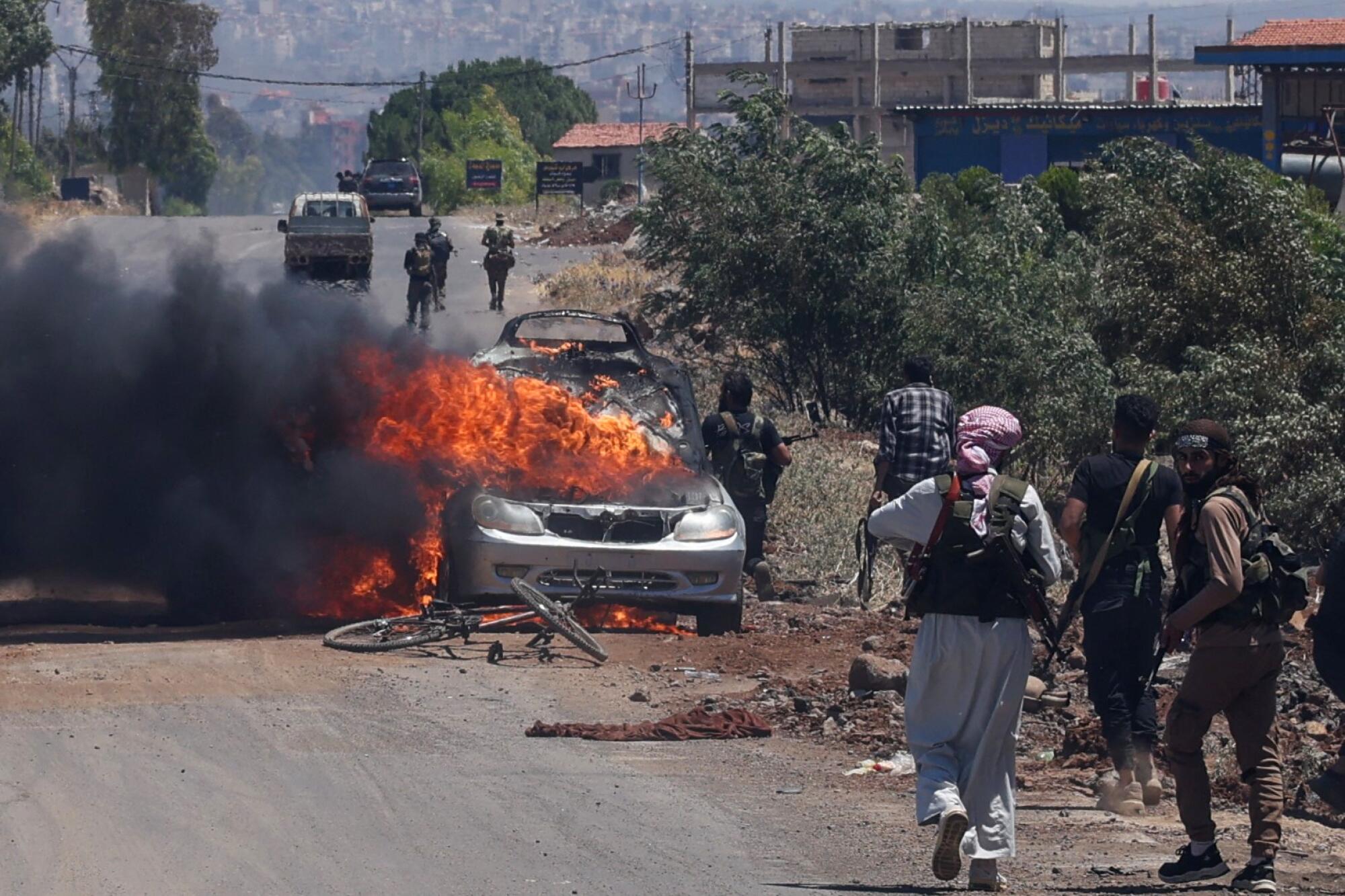
    Since July 13th, violence has erupted between Bedouin tribal fighters and Druze militias in Syria’s Sweida governorate. This renewed conflict has led to significant casualties and displacement.

    Reports indicate that at least 1,760 people have died as a result of the violence. The conflict has displaced 176,000 civilians from the Sweida region, with many fleeing to the Daraa and rural Damascus areas. The Syria Civil Defense has been instrumental in evacuating people and providing medical care to the injured.

    Tensions between Bedouin and Druze communities in Syria are not new, dating back to the 1800s. These historical disputes often stemmed from pastoralist-agrarian conflicts over land and water resources. Despite these historical grievances, both groups have coexisted in the Sweida region. While the Druze are a religious minority in Syria, Sweida is a Druze-majority governorate.

    The most recent escalation, which began on July 13th, was reportedly triggered by a series of kidnappings and robberies between elements of the Bedouin and Druze communities. Bedouin groups are said to have operated outside Sweida, targeting Druze vehicles and blocking roads to Damascus, prompting counter-attacks by Druze forces within the Sweida region.

    The Druze community has voiced long-standing grievances regarding a perceived lack of protection from the Syrian government, particularly given their status as a religious minority. While the Druze were largely unified in their desire for the downfall of the Assad regime, they are now reportedly divided over support for the new interim president, Bashar al-Assad. Druze militias have stated their unwillingness to disarm until they receive what they consider to be genuine government protection, a claim the interim president’s administration denies. As of now, many Druze groups remain resistant to full integration under the current Syrian government.

    Israel has intervened in the conflict, reportedly due to demands from the Druze community within Israel to protect their co-religionists in Syria. This intervention included airstrikes targeting Syrian army headquarters in Damascus and the presidential palace, as well as strikes on forces in Sweida, forcing their withdrawal. Tom Barrack, identified as the U.S. special envoy to Syria, has reportedly met with Syrian and Israeli officials in Paris in an effort to de-escalate the situation.

    This conflict is particularly alarming given Syria’s fragile state following the years of the Assad regime. Syria is home to numerous religious minorities and diverse identity groups. While the interim president has called for the full integration of all people, this recent sectarian violence in Sweida underscores the immense challenges. Preventing another civil war and fostering unified integration into a new government that benefits all Syrians remains the most crucial goal. However, the recent events in Sweida make this objective incredibly difficult to achieve.

    Sources

    https://www.hrw.org/news/2026/01/15/syria-accountability-lacking-for-sweida-abuses

    https://www.reuters.com/world/middle-east/un-says-1700-killed-syrias-suweida-violence-cites-possible-war-crimes-2026-03-27

    https://www.reuters.com/world/middle-east/syrian-israeli-officials-discuss-de-escalation-paris-meeting-us-envoy-says-2025-07-24

    https://www.aa.com.tr/en/middle-east/roots-of-rivalry-history-of-bedouin-druze-clashes-in-syria-s-suwayda/3639726

  • Severe Food Shortages and Aid Restrictions Deepen Gaza’s Humanitarian Crisis

    Severe Food Shortages and Aid Restrictions Deepen Gaza’s Humanitarian Crisis

    Today, many children are facing extreme starvation in Gaza. Adults are also experiencing malnourishment due to the lack of food. Families are unable to access food or baby formula because there is a limited food supply from the only organization Israel has allowed to distribute food: the Gaza Humanitarian Fund (GHF), an organization created by Israel and backed by the U.S. The World Food Programme (WFP) and World Central Kitchen (WCK) have tried to continue to operate but have been heavily constricted by access restrictions from Israel therefore not providing enough aid necessary to feed Palestinians. 

    In March 2025, Israel halted all aid from humanitarian organizations, including the UN, from entering Gaza. Israel claimed that Hamas was selling the aid for profit; Hamas denies this claim. Now, 80% of children are at risk of death from malnutrition. Many children are facing extreme starvation, leading to countless deaths.

    The lack of food, leading to malnourishment, and the lack of sanitation are also contributing to an increased number of diseases in an area where people are barely able to survive. Due to the lack of medical supplies and personnel, many diseases or illnesses are untreatable.

    Dr. Maynard, a British surgeon who works at Nassau Hospital in Gaza, told The World that doctors who came to Gaza packed cartons of baby formula for newborns, but these were confiscated by Israeli troops. He has also claimed that children are facing extreme starvation, which has made it difficult to treat patients in the hospital, and several newborns have died due to insufficient nutrition. He has further claimed that children have been shot, sustaining gunshot wounds, when trying to access food at the GHF distribution sites.

    Since the start of the GHF, many children and adults have been shot by Israeli soldiers when trying to access aid. Humanitarian aid should not be distributed by military personnel or on military grounds. The aid sites are only open for 11 minutes and are in difficult-to-reach locations. This has made it dangerous and inhumane for Palestinians to get the little aid that they can.

    The only solution is for there to be an immediate ceasefire and for humanitarian aid to be allowed to enter to assist Palestinian children and adults.

    Sources

    https://www.hrw.org/news/2025/03/05/israel-again-blocks-gaza-aid-further-risking-lives

    https://wck.org/news/media-alert-border-closure-forces-world-central-kitchen-to-pause-gaza-meal-operations

    https://www.reuters.com/world/middle-east/usaid-analysis-found-no-evidence-massive-hamas-theft-gaza-aid-2025-07-25

    https://www.the-independent.com/tv/news/gaza-israel-doctor-baby-formula-video-b2795831.html

    https://www.theguardian.com/commentisfree/2025/jul/22/gaza-israel-deliberate-starvation-ceasefire-aid

  • Palestinians Killed or Injured by Israeli Forces While Seeking Humanitarian Aid in Gaza

    Palestinians Killed or Injured by Israeli Forces While Seeking Humanitarian Aid in Gaza

    This past week, on Tuesday, another incident occurred in Gaza where Palestinians seeking aid were attacked, leading to deaths and injuries. Innocent civilians who were simply seeking to access food and water for themselves and their families were met with open fire from Israeli troops. In this specific incident, 44 Palestinian civilians were killed by open fire from Israeli troops when trying to collect aid from the only aid agency in Gaza, the Gaza Humanitarian Foundation (GHF).

    This is not the first incident where civilians have been killed or injured by open fire when trying to collect aid from the GHF. The GHF has continued to be a scene where violence takes place and where innocent lives are being taken. So far, 400 Palestinian civilian lives have been taken while trying to access aid from GHF sites.

    The GHF is a United States-backed Israeli humanitarian aid organization that is privately owned. It is controlled by the Israeli military. It was created after Israel stopped any international organizations that were previously distributing critical aid such as food, water, and medical supplies for Palestinians in Gaza. 100% of Palestinians are at risk of famine, according to the UN, and there is no aid for many Palestinians to receive food and water.

    The GHF is distributed by armed Israeli actors. This goes against the nature of humanitarian aid, which is supposed to be impartial and neutral. Aid being distributed by military armed actors creates a political divide and conflict. The Israeli troops in charge of the GHF have continued to open fire and have used drones, tanks, and helicopters on Palestinians trying to receive food.

    The UNRWA, the World Food Programme, and other international organizations were effective in distributing aid directly to Palestinians who needed it. Now, many risk death due to lack of water or food. Humanitarian aid should have no borders and should be able to continue to deliver aid in Gaza. Neither the US or Israel have taken accountability for the incidents.

    Sources

    https://www.pbs.org/newshour/world/palestinian-health-authorities-say-israel-kills-25-waiting-for-aid-as-war-death-toll-tops-56000

    https://news.un.org/en/story/2025/06/1164846

  • Israel Iran Conflict Enters Second Week as Missile and Drone Strikes Continue on June 19, 2025

    Israel Iran Conflict Enters Second Week as Missile and Drone Strikes Continue on June 19, 2025

    Today, June 19th, 2025, officially marks a week since last Friday when Israel launched airstrikes on military personnel and nuclear facilities in Iran. The Israel Defense Forces issued a warning for residents who live in western Iran’s Arak and Khondab to evacuate. Iran has nuclear facilities in those areas that have a heavy water reactor and a heavy water production plant which can be used to develop nuclear weapons which could be a potential additional target for Israel.

    At least 24 civilians have been killed and 590 injured in Israel from Iran’s missile and drone attacks. Iran has had 224 citizens killed and about 2,000 injured. These numbers are subject to change as the conflict is ongoing. 

    One of the victims was a Ukrainian girl who fled from Ukraine due to the ongoing war with Russia. She moved to Israel in order to receive cancer treatment. The girl was 7 years old and her family members a were killed from an Iranian missile attack. Family members included her mother, her grandmother, and her two cousins. In addition an 8 year old Iranian girl was also killed from an Israel missile attack on Iran. So far, there have been more fatalities of civilians in Iran.

    Other countries have taken cautionary steps in protecting their nationals in Iran and Israel. So far India has begun to transport Indian nationals who are living in Iran. Many are college students who live in Iran to attend school. Australia has also taken action to bring back nationals from both Iran and Israel. The US has also taken action to provide evacuations for Americans who are in Israel. The US embassy in Israel has been closed temporarily. 

    Trump has not yet made a decision on whether the US will get involved in the conflict between Israel and Iran. President Trump and the US intelligence committee have had different stances on the threat level of Iran’s production of nuclear weapons. Trump has stated that Iran was weeks away from developing a nuclear weapon meanwhile the US intelligence committee has not detected any increase in activity that could produce those results. 

    Statements concerning where Iran stands on the conflict were reported to CNN. Tehran’s Foreign Minister Abbas Araghchi said, “Iran’s actions are purely in self-defense, but the country “remains committed to diplomacy”. The Deputy Foreign Minister Majid Takht Ravanchi told CNN,  “If the Americans decide to get involved militarily, we have no choice but to retaliate wherever we find the targets necessary to be acted upon”. 

    A nuclear deal from 2015 was effective in reducing Iran’s nuclear threat. The deal required Iran to keep its uranium enrichment levels at no more than 3.67%, down from near 20%, dramatically reduce its uranium stockpile, and phase out its centrifuges, among other measures. This was in exchange for lighter sanctions on Iran. When President Donald Trump withdrew from the deal in 2018, Iran increased their centrifuge installations significantly. 

    Israel and Iran continue to exchange missile and drone strikes. There is no suspected ending to this conflict and it is ongoing. For the protection of civilians, a ceasefire, diplomacy, and new nuclear deal can only end this conflict.

    Sources

    https://www.cnn.com/world/live-news/israel-iran-conflict-06-18-25-intl-hnk#cmc2htupb00143b6pyrsx7qz2

    https://www.rferl.org/a/ukrainian-girl-cancer-treatment-israel/33457284.html

    https://www.aljazeera.com/news/2025/6/19/israel-iran-conflict-list-of-key-events-june-19-2025

    https://www.bbc.com/news/world-middle-east-48776695

  • Israel Strikes Iran’s Nuclear Facilities as Iran Responds With Ballistic Missiles on June 13, 2025

    Israel Strikes Iran’s Nuclear Facilities as Iran Responds With Ballistic Missiles on June 13, 2025

    On Friday June 13th, Israel released air strikes on Iran’s nuclear facility centers. One of the air strikes was targeted to the Natanz facility which is Iran’s main nuclear facility. Exterior and interior damage has been reported to the facility. 

    In addition, several important Iranian military personnel were also targeted in the attack leading to their deaths. This includes Maj. Gen. Hossein Salami, head of the secretive Islamic Revolutionary Guard Corps (IRGC), Maj. Gen. Mohammad Bagheri, chief of staff of Iran’s armed forces, Ali Shamkhani, a close aide to Iran’s Supreme Leader Ayatollah Ali Khamenei, and Ali Hajizadeh, commander of the IRGC’s air force.

    The Israeli prime minister Benjamin Netanyahu, stated that the operation was intended to eliminate Iran’s Nuclear threat towards Israel. 

    The US President Donald Trump stated that the US had no involvement in the Israeli air strikes on Iran. 

    Iran quickly responded to the air strikes from Israel by launching counter ballistic missiles to Tel Aviv. No deaths have been reported so far from Iran’s counter strike. It was reported that Iran sent around 100 ballistic missiles, but many were intercepted by the help of Israel’s ally the US. 

    This is an ongoing conflict that will continue to have updates. The future is unknown on how long this conflict will last. 

    Sources

    https://apnews.com/article/iran-explosions-israel-tehran-00234a06e5128a8aceb406b140297299

    https://www.cnn.com/2025/06/13/middleeast/israel-iran-strikes-military-deaths-intl-hnk