After the end of the Assad regime in Syria, which took place in December of 2024, a new era has brought into question what will be next in terms of rebuilding Syria’s future.
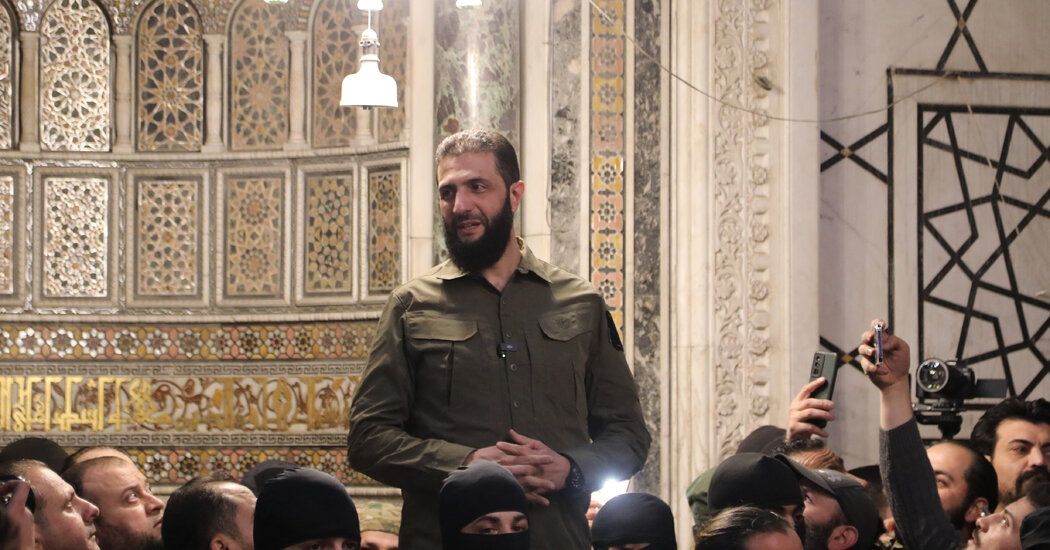
On November 30th, 2024 the rebel group Islamist militant group Hayat Tahrir al-Sham (HTS) and the Turkish-backed Syrian National Army (SNA) seized Aleppo which is a city in Syria that was under control of Assad’s regime. The rebel forces were eventually able to take control of Hama, Homs, and Damascus and dissolved the former Baath party. After successfully dissolving the corrupt Assad regime, a new interim president was established. The current president of Syria is Ahmed al- Sharaa. Ever since he took control as interim president, he has met with world leaders to express his goals of establishing a new government and a united Syria.
Doubts regarding the new leader have concerned both the international community and citizens of Syria due to not knowing Sharaa’s true intentions. It has only been a few months since he has taken control and that the Assad regime has ended. Many Syrians want the interim president to do more in means of justice concerning the high amounts of individuals who have disappeared under Assad’s corrupt regime. Other concerns have also been due to Sharaa’s history of being affiliated with the Islamic state and Al-Qaeda. He is no longer affiliated with these groups and he has changed ideologies and affiliation to HTS. His former ties with IS and Al-Quauda has made the general public weary of fully trusting him and his intentions.
Sharaa has met with global leaders and has announced Syria’s need for social and economic reconstruction after both sectors have been destroyed and dismantled under the Assad regime. The cost of reconstruction of infrastructure and the economy will be costly due to the amount needed in order to rebuild. So far, Sharaa has been able to lift some sanctions from the US and EU. This will aid in efforts to start rebuilding the economy.
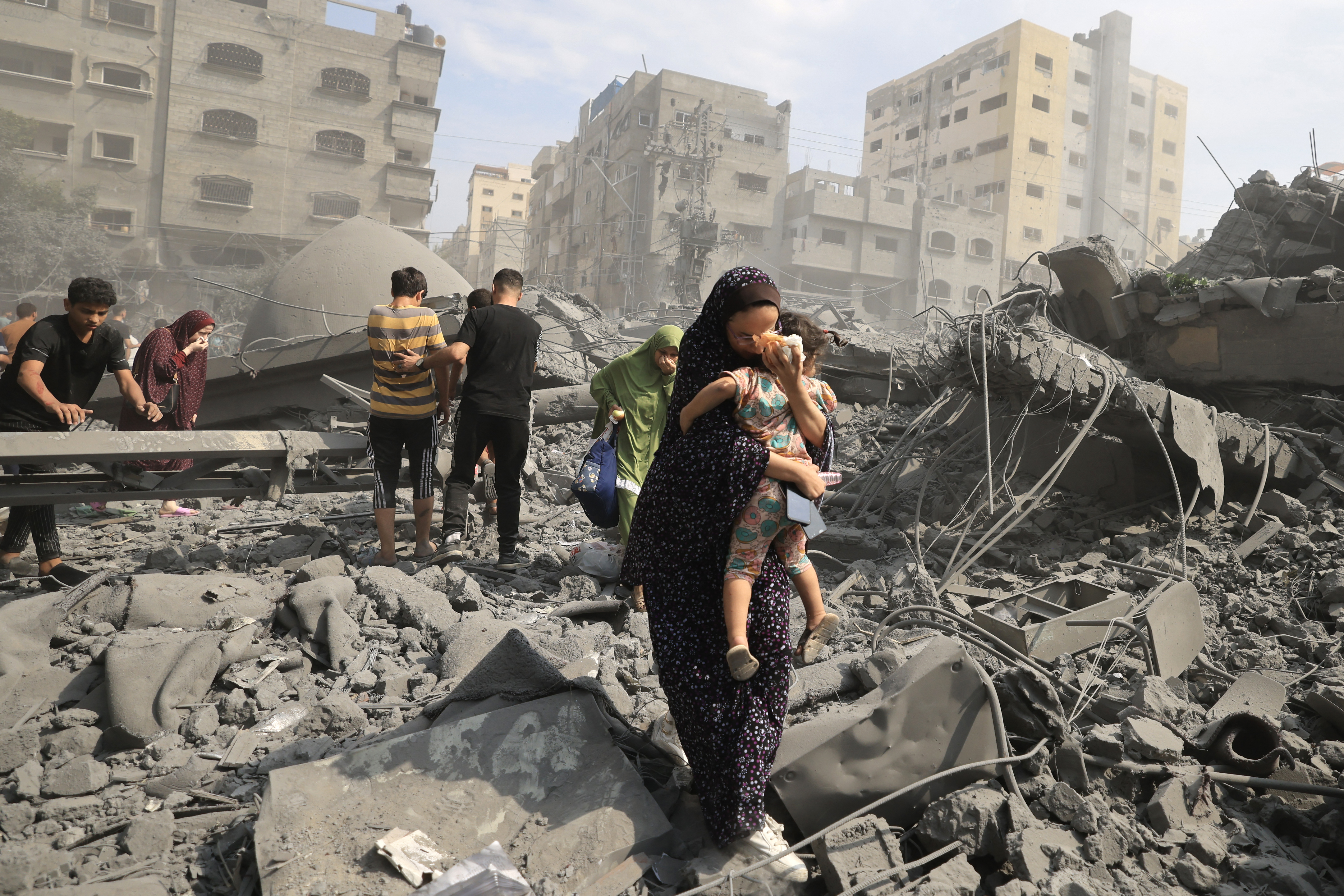
Since the civil war began in 2010, Syria’s economy and standard of living drastically dropped throughout the 14 years of civil war. According to UNDP, 50% of Syria’s infrastructure has been destroyed. Additionally, a staggering 90% of Syrians live below the poverty line which highlights the income disparities of the region at this movement. Further, 75% of Syria’s population currently relies on humanitarian aid for basic needs. Syria still is heavily dependent on outside assistance for basic needs due to the poverty crisis.
In addition to rebuilding infrastructure and the economy, social cohesion is also an important part of rebuilding Syria’s future. There are different groups who reside in Syria. The majority of Syrians are Arab Sunni Muslims and then there are smaller communities such as Alawites, Christians, Kurds, Druze. In order for peace to be continued in the region all groups need to be represented in the new government.
Syria has had one of the biggest refugee crises in the world due to the civil war under Assad. Syria has around 6 million refugees. The question now lies on whether or not refugees will be returning back home to Syria. After the Assad regime ended, approximately 270,000 Syrians had returned following the events of December 2024. During the civil war, it has been reported that there were 618,000 deaths and 113,000 disappearances. Additionally, 28% of the population, the majority of them children, have been left with permanent disabilities. Healthcare and social services need to be implemented to service the disabled.
So far the new interim president has gained US backed support and has added former rebels and foreign fighters into the Syrian army. Majority of the rebel foreign fighters were against the Assad regime.
Although the future is still unknown for Syria, hopes for a better future are more positive than negative.
Sources
https://www.dw.com/en/uncertain-futures-syrias-hidden-crisis-of-disabilities/a-66368372